The Rolling Stones
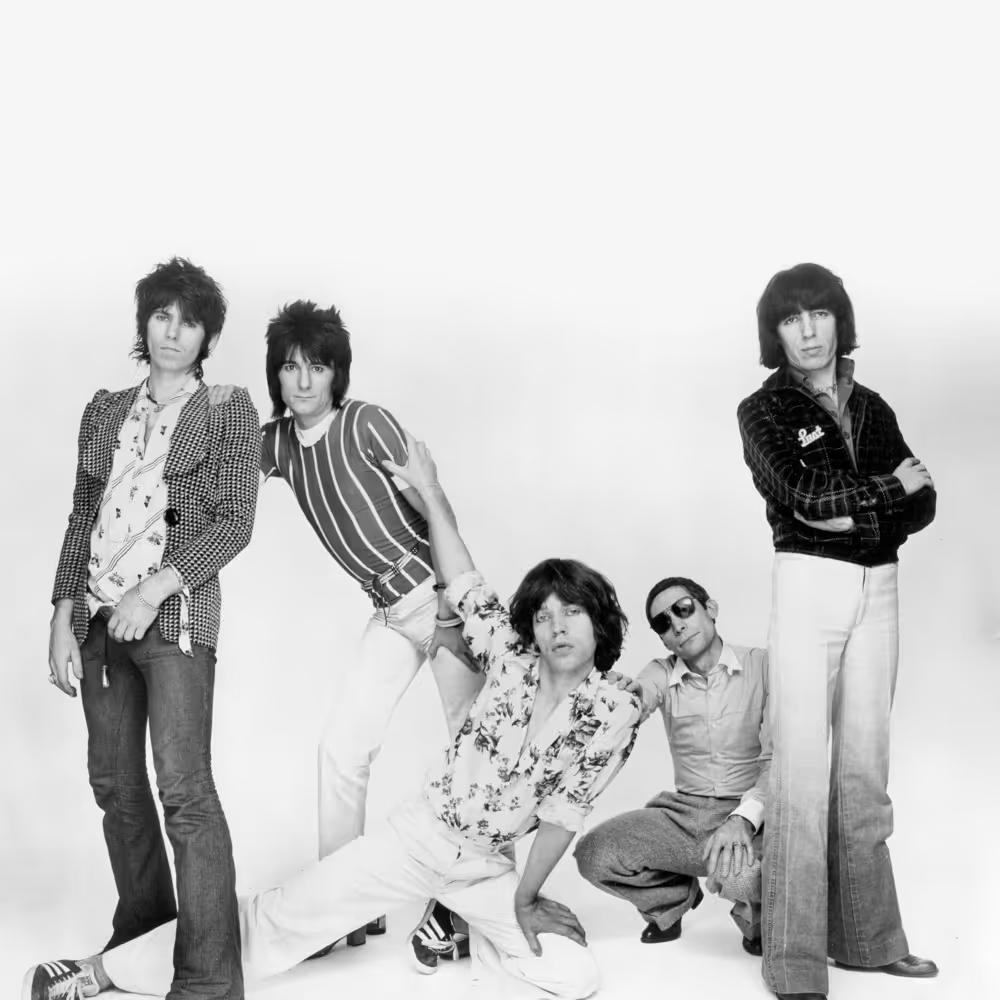
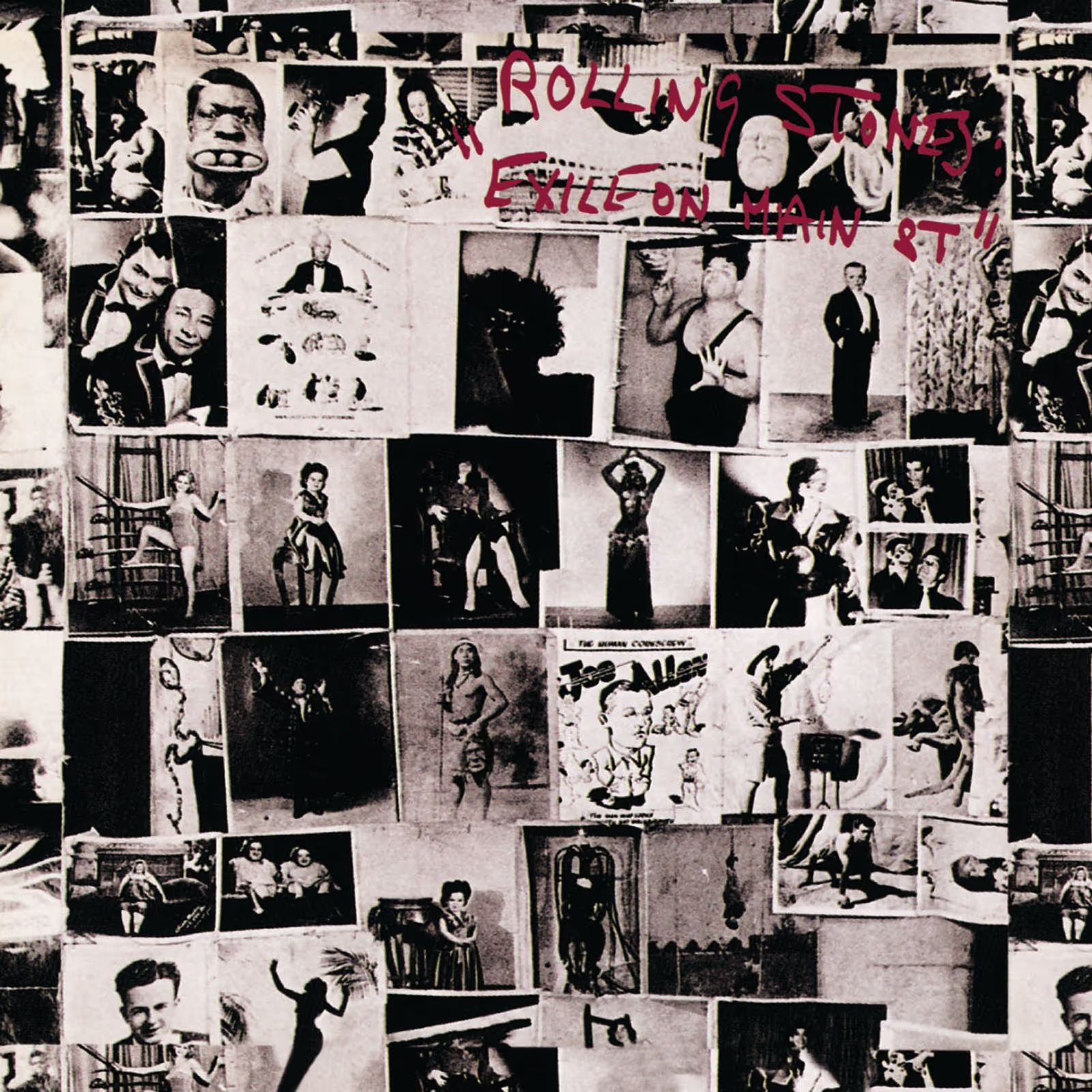
The Rolling Stones emerged from London's blues clubs in 1962, transforming from purist revivalists into rock's most durable institution. Mick Jagger, Keith Richards, Brian Jones, Bill Wyman, and Charlie Watts channelled Chicago blues through British irreverence, their early covers of Chuck Berry and Muddy Waters evolving into a songwriting partnership that defined rock's rebellious sexuality. Albums like Beggars Banquet (1968), Let It Bleed (1969), and Exile on Main St. (1972) married Richards' riff-driven guitar work with Jagger's lascivious drawl, creating a swaggering counterpoint to the Beatles' experimentalism. Their sound, anchored in blues pentatonics and Richards' open G tuning, became rock's fundamental vocabulary. Cultural impact extends beyond 400 million records sold: they embodied generational defiance, from drug busts to Altamont's chaos. Decades of touring cement their status as both musicians and brand, their longevity proof that rebellion, when commodified correctly, becomes timeless. They remain active, still drawing crowds despite their septuagenarian lineup.