Madonna
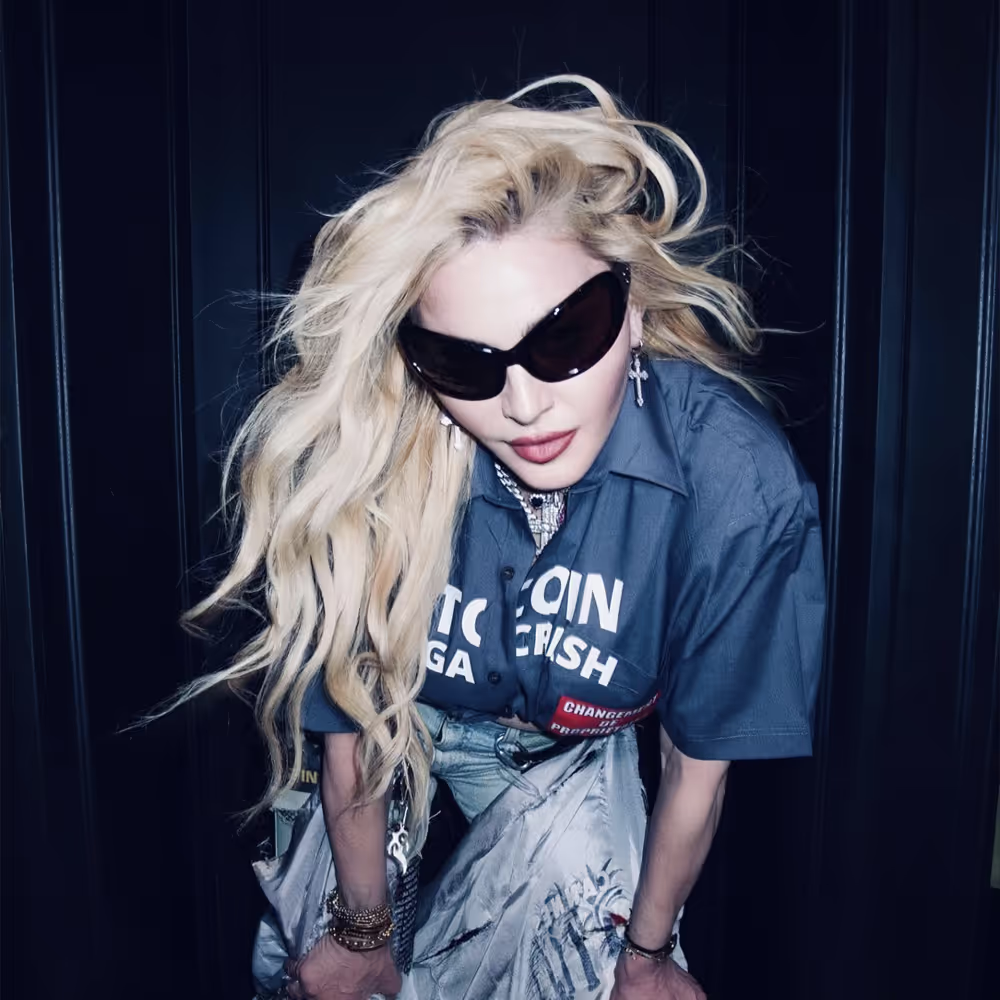
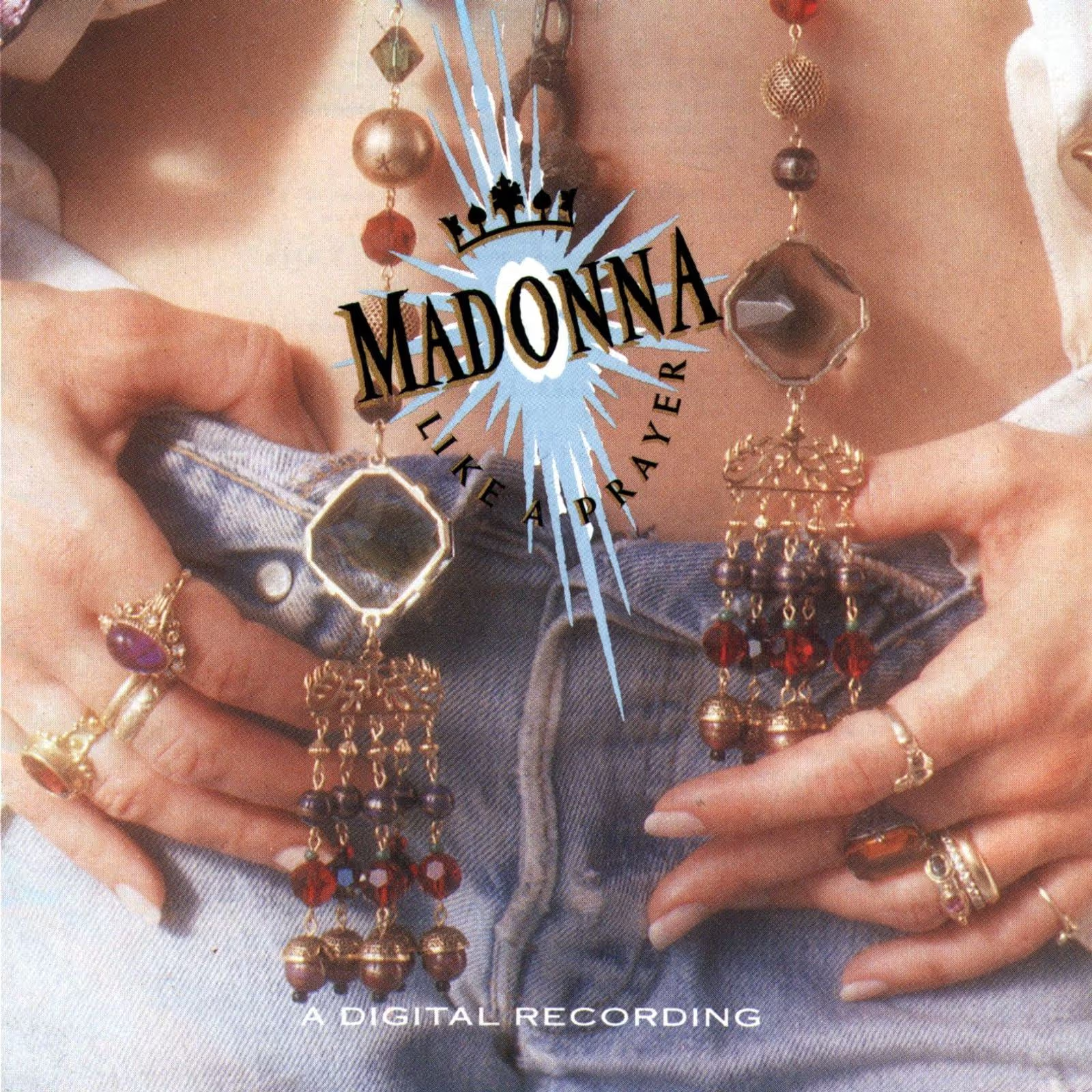
Madonna Louise Ciccone transformed American pop music by fusing disco rhythms with post-punk aesthetics and Catholic iconography, becoming the bestselling female recording artist of all time. Emerging from New York's downtown scene in 1983, she understood pop stardom as performance art, manipulating her image through calculated reinvention. Like a Virgin (1984) and True Blue (1986) established her commercial dominance, whilst Like a Prayer (1989) demonstrated sophisticated songcraft, blending gospel harmonics with confession-booth intimacy.
Her influence extended beyond music into fashion, sexuality and feminism, challenging conservative America's anxieties around female desire. Working with producers Nile Rodgers, Patrick Leonard and later William Orbit, she navigated disco, house, electronica and trip-hop without losing her core identity. Ray of Light (1998) introduced ambient textures and spiritual introspection, earning critical rehabilitation.
Madonna weaponised controversy as brand strategy, understanding that moral panic generates cultural currency. She normalised conversations around sex, religion and LGBTQ+ visibility within mainstream pop, creating space for subsequent female artists to control their narratives and business empires.